How to Build Better Tournament Discipline
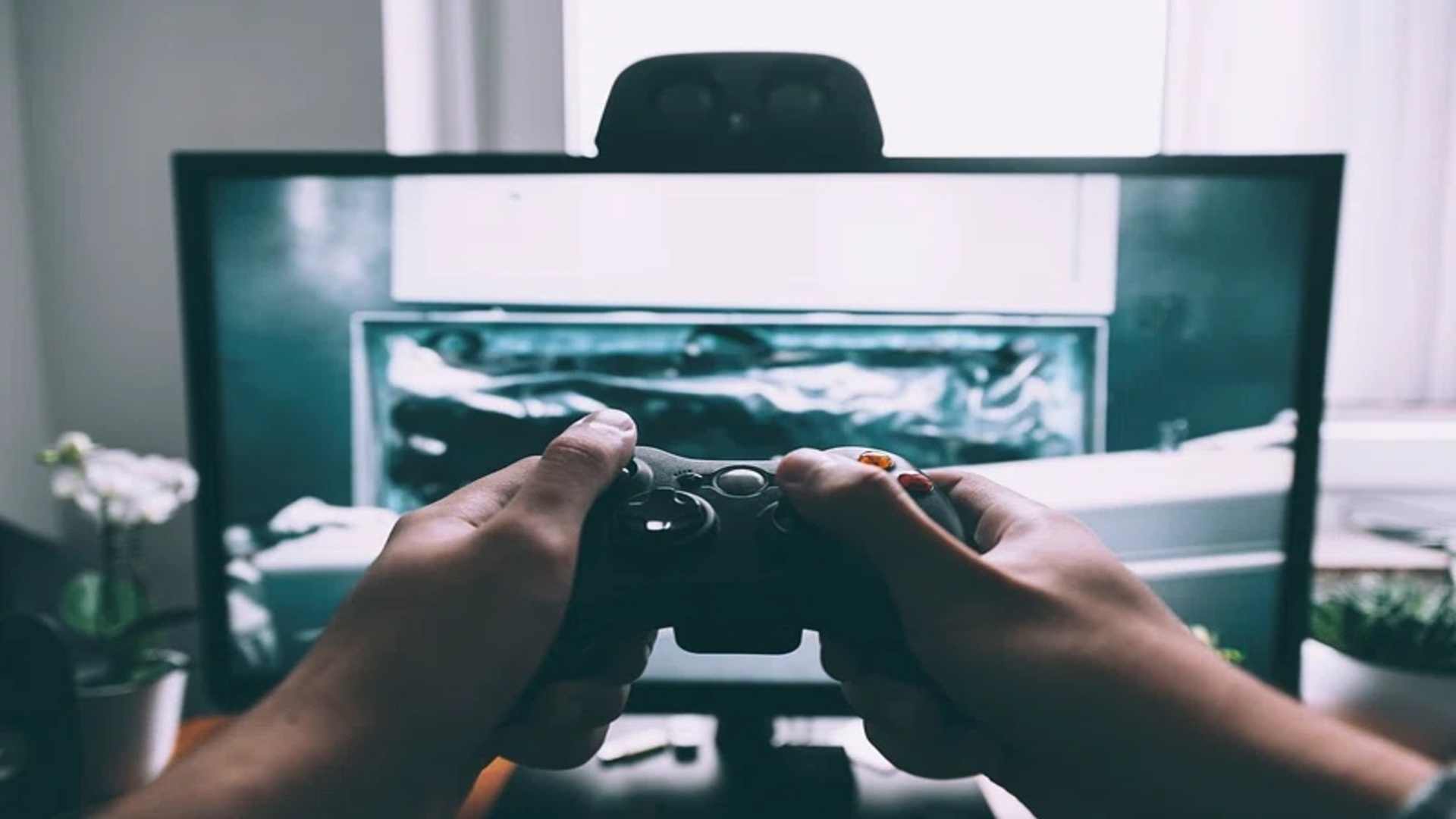
Participating in competitive gaming tournaments requires much more than just raw technical skill or luck. To truly excel when the stakes are high, players must cultivate a structured mindset that allows them to remain calm and focused. Developing this specific type of mental strength, often referred to as tournament discipline, is what separates consistent champions from those who struggle under pressure.
Establishing a Consistent Pregame Routine
One of the most effective ways to build discipline is by creating a reliable routine before every major match. Consistency in your physical and mental preparation helps reduce anxiety and signals your brain that it is time to perform. Many top competitors include light stretching, deep breathing exercises, or specific warm-up drills in their pregame rituals.
By sticking to the same schedule, you build a sense of control over an otherwise unpredictable tournament environment. This predictability keeps your heart rate stable and prevents impulsive decision-making during the opening rounds. Over time, these habits form the foundation of long-term competitive success.
Managing Emotional Waves and Minimizing Tilt
Even the most talented players will encounter frustrating moments, bad draws, or unexpected losses during a long competition. Maintaining emotional control during these setbacks is a core component of tournament discipline. Learning to accept a bad turn without letting it ruin your entire performance is crucial for staying in the game.
When emotions begin to cloud your judgment, taking a brief mental step back can prevent a minor mistake from turning into a major defeat. Many professional players practice mindfulness techniques to ground themselves between matches. Additionally, utilizing quality physical setups, such as a responsive game stick m88, ensures your tactile execution remains perfect under pressure.
Practicing Patience and Strategic Risk Assessment
Discipline is often tested when a player is faced with a high-risk, high-reward scenario that could end the match. While aggressive moves can sometimes pay off, consistent victors prioritize calculated risks and patient play. Waiting for the right opportunity rather than forcing a play prevents costly unforced errors.
Analyzing the board state and tracking your opponent's tendencies should always guide your decision-making process. Impatient decisions usually stem from mental fatigue or the pressure of the tournament clock. Training yourself to slow down and evaluate all available options is key to mastering competitive card games.
Maintaining Physical Well-being for Mental Stamina
Physical fatigue directly impacts your cognitive performance and decision-making capabilities during long competitive events. Staying hydrated and eating balanced meals can prevent the dreaded energy crashes that lead to sloppy mistakes. Many top-tier athletes treat physical wellness as a non-negotiable part of their overall training regime.
Ensuring you get sufficient sleep before a competition can significantly improve your reaction times and mental clarity. A well-rested mind is far better equipped to handle stressful situations and adapt to shifting opponent strategies. Ultimately, taking care of your body is just as important as mastering the rules of the game.
Reflecting on Performance After the Event
True tournament discipline does not end when the final match is over; it extends into how you review your performance. Taking the time to analyze both your wins and losses provides invaluable insights for future improvement. Keeping a journal or reviewing recorded matches helps you identify recurring patterns in your gameplay.
Approaching your mistakes with a constructive mindset rather than self-criticism builds lasting confidence. Every tournament, regardless of the outcome, serves as an educational opportunity that refines your strategic approach. Embracing this continuous learning cycle ensures steady growth as a competitive player.