Tag: Achievement Rewards

Master the Art of Solitaire Games
Solitaire is far more than a simple card game meant to pass a quiet afternoon. To truly excel, players must shift their perspective from mere luck to an appreciation of strategic planning and board control. Learning to master the layout and anticipate hidden challenges can transform a casual distraction into a highly rewarding mental sport.
The Psychology of Visual Patience
Entering a new game requires a calm mind and an analytical approach to the cards dealt before you. Many players fail because they rush their movements instead of carefully weighing the consequences of each choice. Developing patience allows you to look past immediate matches and instead focus on setting up a pathway for long-term progress.
By treating each layout as a dynamic puzzle, you train your brain to notice subtle patterns across the columns. This systematic approach reduces mistakes and helps you build a solid foundation of visual awareness. Over time, practicing this mental discipline changes how you evaluate opportunities both on the virtual board and in real-life scenarios.
Tactical Pacing of the Stockpile
One of the most common pitfalls in classic card games is relying too heavily on the draw pile early on. Experienced players know that the true power lies in manipulating the visible cards on the table. You should always exhaust every possible move on the board before reaching for a fresh turn from the reserve deck.
This careful preservation of hidden resources ensures that you retain maximum flexibility when the game gets tight. Additionally, enthusiasts looking for a fun diversion can enjoy playing with a physical game stick m88 to bring a tactile, classic arcade feel to their gaming setups. Managing your draws wisely prevents you from accidentally burying critical cards that are needed to clear the columns.
Mastering the Empty Space
Clearing a column entirely is a major milestone in any match, but it must be done with careful consideration. An empty space on the board is highly valuable and should generally only be opened if you have a King ready to occupy it. Leaving a space vacant without a plan can severely limit your ability to shift and rearrange other cards.
A well-timed move into an empty column can unlock a cascade of hidden cards that were previously unreachable. Prioritizing the largest stacks of face-down cards is a proven method to keep the game moving forward. By focusing on uncovering these deep columns, you dramatically increase your chances of successfully arranging all four suits.
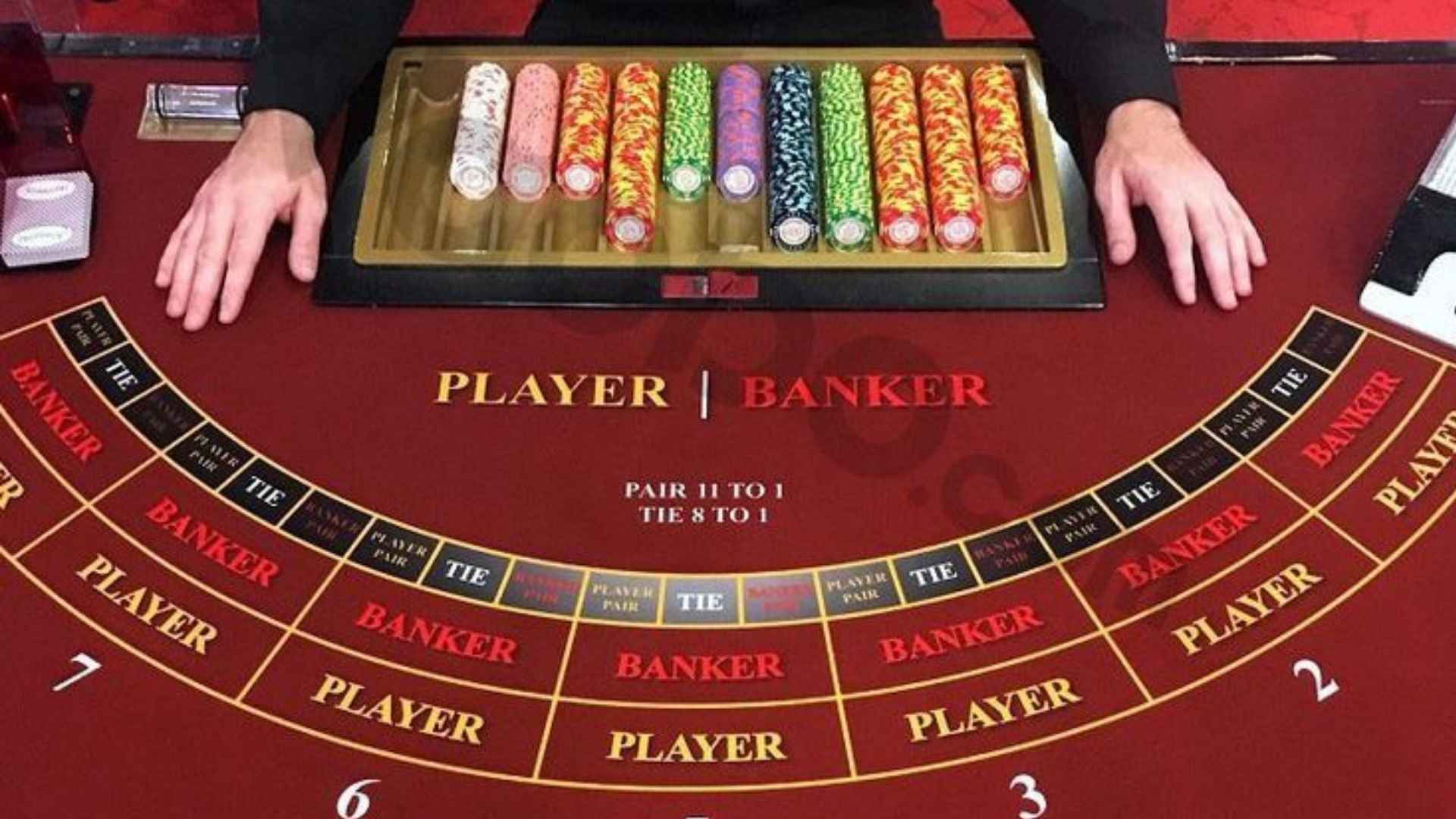
Table Games That Inspire Better Decision Making
Engaging in tabletop activities offers much more than a simple escape from our digital screens. Modern research indicates that table games serve as practical mental gyms where players can actively refine their cognitive processes. By presenting complex problems and shifting variables, these games encourage players to weigh risks and make calculated choices under pressure.
The Psychology of Strategic Board Games
Strategic board games force players to think several steps ahead while anticipating their opponents' moves. This constant evaluation of cause and effect helps develop a stronger analytical mindset in everyday life. Over time, navigating these structured systems teaches us how to map out long-term goals and stay resilient when plans go awry.
Furthermore, these interactive experiences require individuals to manage limited resources and make critical trade-offs. Choosing when to conserve your assets and when to take calculated risks mirrors real-world financial planning. Consequently, regular players often display a more structured approach when faced with complex decisions in their professional lives.
Risk Assessment in Classic Card Games
Card games introduce the element of hidden information, forcing players to calculate probabilities on the fly. Success in these games relies heavily on reading the table, managing emotional reactions, and adjusting tactics based on incomplete data. This practice directly strengthens our ability to make sound choices even when we do not have all the facts.
For those looking to transition these tactical skills into modern digital formats, utilizing a versatile game stick m88 can provide access to excellent classic simulations. Practicing these scenarios in a virtual environment allows you to safely test various theories and build confidence. Ultimately, mastering card-based logic teaches us to separate emotional impulses from logical deduction during high-stakes situations.
Enhancing Collaborative Problem Solving
Cooperative table games shift the focus from individual competition to collective success and shared mechanics. Players must communicate clearly, coordinate diverse roles, and align their individual choices to overcome a common obstacle. This environment serves as an excellent training ground for modern team-building and corporate leadership skills.
When a group must jointly decide on a single course of action, they learn to negotiate and value diverse perspectives. This cooperative dynamic reduces impulsive individual choices and highlights the benefits of collaborative deliberation. As a result, players learn to approach personal and professional challenges with a highly inclusive and structured mindset.
Cultivating Mindfulness and Focus
In our fast-paced society, maintaining sustained focus on a single task has become a rare and valuable skill. Table games demand your full attention, requiring you to monitor the board and process subtle behavioral cues without digital distractions. This immersive environment acts as a natural mindfulness exercise that resets your mental clarity.
By training your brain to stay present during a game, you build a greater capacity for deep focus in your daily routine. This calm state of mind makes it much easier to filter out background noise and focus on what truly matters. Regular sessions at the table can ultimately help you approach major life decisions with a quiet, deliberate confidence.